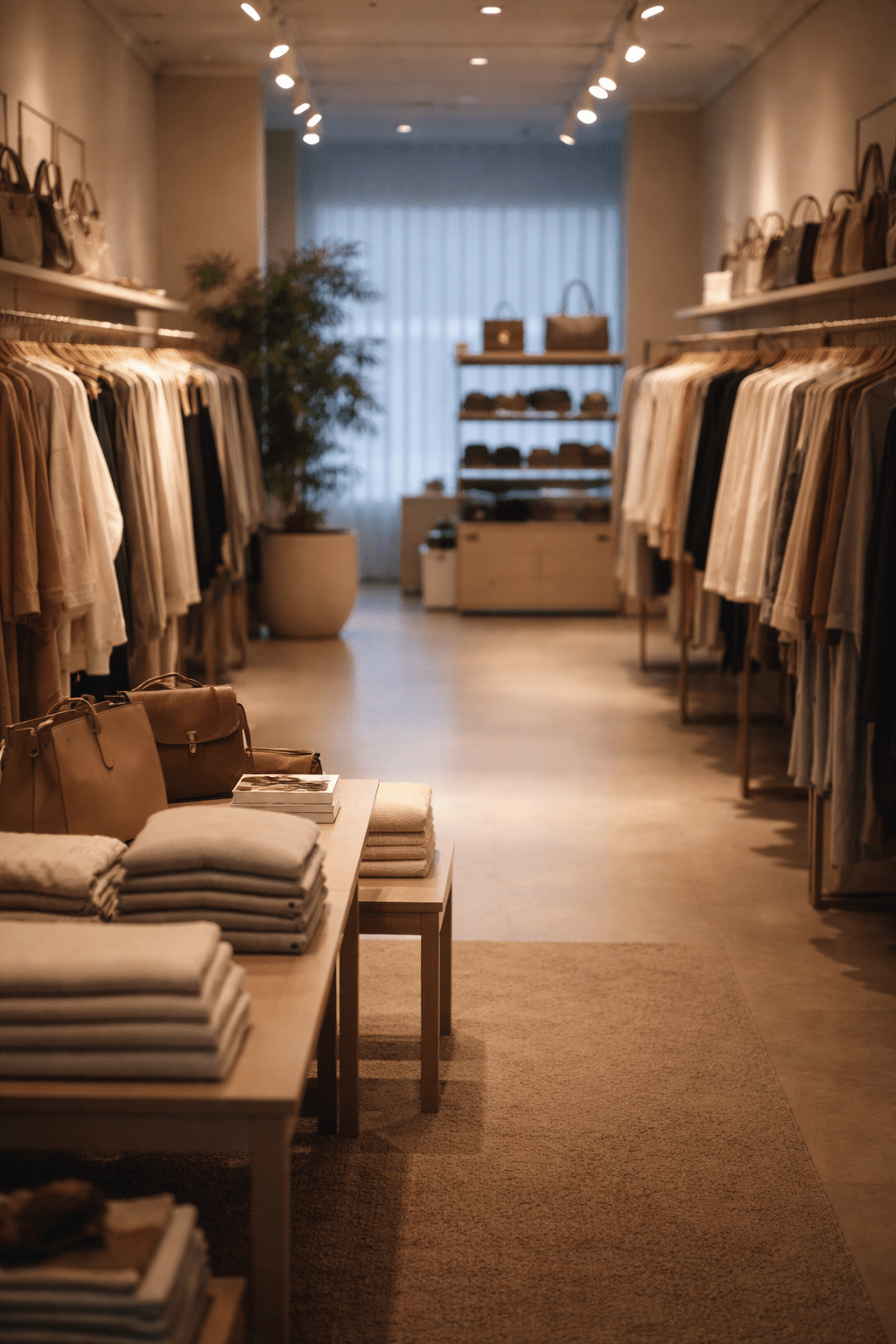
For 17 years of my young adult life, I worked in retail. Women’s and men’s apparel, accessories, shoes, luxury, juniors, fast fashion — you name it, I was most likely there.
Retail taught me a lot about people. Some of it was good. A lot of it was… not.
The hardest part wasn’t the long hours or the physical work. It was having to be “on” all the time.
Being “on” meant being friendly no matter what. Smiling. Engaging. Making people feel comfortable whether they were buying something or not. Some days, I enjoyed it. I liked connecting with people. That’s where my extroverted side showed up.
But being “on” also meant staying composed with people who didn’t see you as a person.
People who ignored you.
People who came in ready to argue.
People who left dressing rooms looking like a storm passed through.
And no matter what, you still had to smile.
That’s the part that was exhausting.
Not the interaction itself — but the constant adjustment. Reading people. Managing their energy while suppressing your own. Staying polite when everything in your body wanted to shut down or push back.
By the time I got home, I felt like I had spent the entire day performing.
Some days were fine. I’d walk through the door in a good mood — tired, but productive.
Other days, I felt completely drained. Like my nervous system had been running all day without a break.
Being “on” didn’t stop with customers. It showed up during corporate visits too. There was always this added pressure to be perfect — the store, the energy, the interactions. I’d mentally prepare for those days like it was an event, convincing myself that a few shots of espresso would somehow make it easier.
It never really did.
Looking back, I can see how much of that time was spent in a constant state of alertness. A mix of anxiety and adrenaline, trying to stay composed while reading every situation in real time.
Retail didn’t just teach me about people. It taught me how I respond to pressure — how quickly my social anxiety can take over, and how easily I slip into performance mode when I feel like I need to.
It also taught me how long it takes to come back from that.
Thankfully, I don’t work in retail anymore. My life looks very different now. I work from home, mostly in silence, and I’ve realized how much I value that.
These days, being “on” is something I choose.
It’s for the people in my life who matter — family, close friends, the moments that feel worth showing up for.
And when I do step outside of that — events, new people, unfamiliar spaces — I still show up.
But I also know I’ll need time afterward.
Time to come back to myself.
 More Than Shower Thoughts
Leave a comment