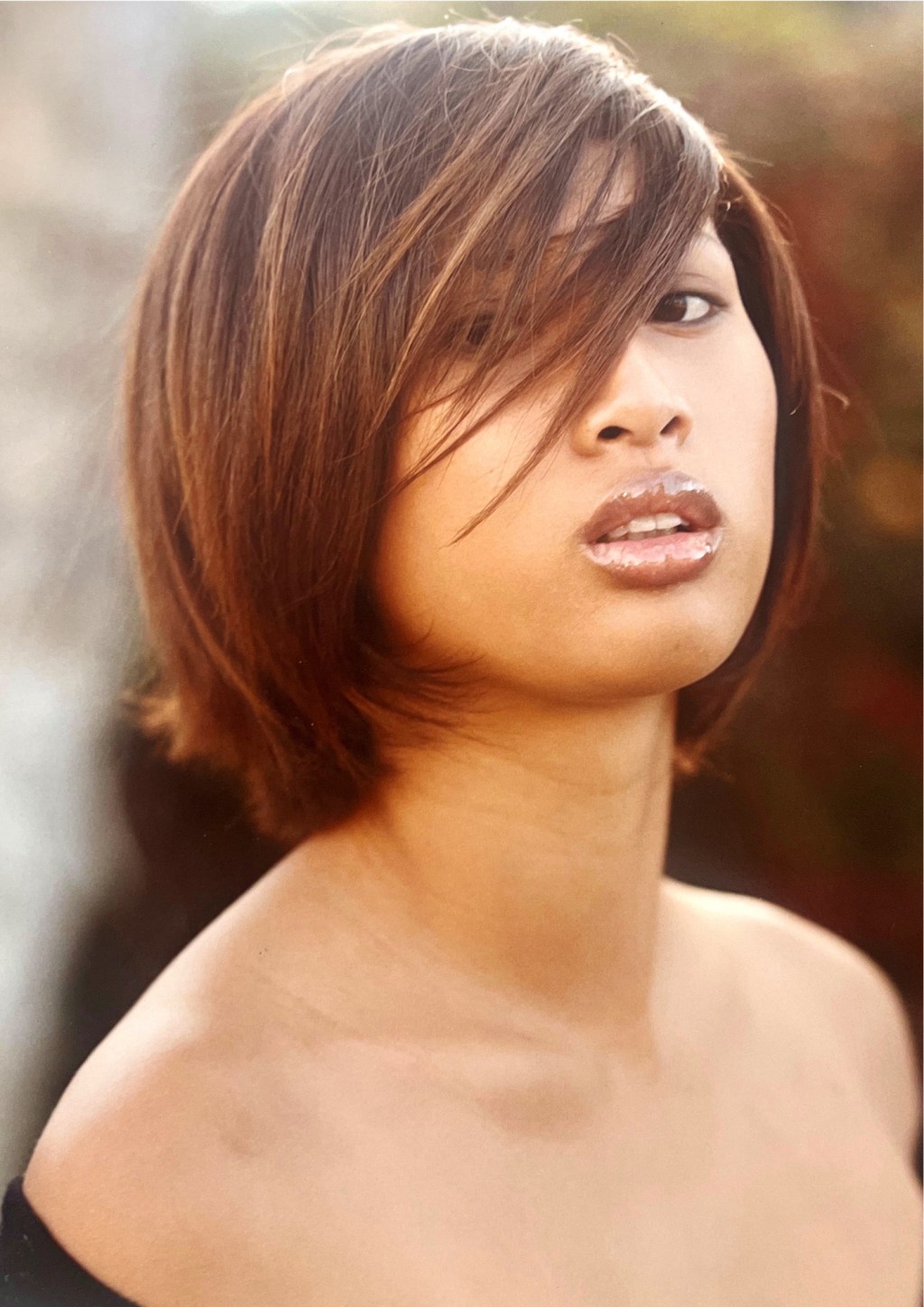
In the ’90s, I was a preteen who loved all things fashion. My bedroom wall was covered with a mix of ’90s heartthrobs like Jonathan Taylor Thomas and Devon Sawa, fashion ads, and supermodels. I dreamt of being in the fashion world, getting made up from head to toe in glamour. I devoured every issue of Seventeen and Teen Vogue. I knew I needed to be in the fashion industry.
Throughout middle school and high school, I modeled for the local department store called Gottschalks. I would go into their corporate office for hair and makeup, put on the outfits they chose for me, and pose for the camera. The following months, my photos would appear in the Sunday paper in the Gottschalks ads. My mom would clip the ad and put it on our fridge. I’d take that same ad and show it to my friends. Most of them were just as excited as I was.
I also participated in our mall fashion shows. I loved it. I strutted down the runway like Naomi Campbell with a 100-watt smile like Tyra Banks. I felt the most confident on the runway.
For college, I moved to Long Beach, California. My plan was to go to fashion school and earn my business degree, but my real intention was to model in Los Angeles.
I started with a small agency in Long Beach where I was sent out as a hair model. It was a nice start and a small glimpse into the reality of being a model. My agent would send me on go-sees with different hairstylists and brands for events or ad campaigns. Sometimes I booked the job. Other times I drove two hours just to hear “no.”
It was a life of rejection, acceptance, and countless hours in the car.
When I did book events and photoshoots, I loved every minute of it. Being pampered and becoming the beginning of someone else’s creative vision felt like exactly where I belonged.
I wanted fashion.
So I went to my agent and told her I wanted to start going on go-sees for more than just hair.
She told me I didn’t have the right look.
So I fired her.
I put together a small portfolio using my work from high school, photos from my hair shows, and a couple of images my friend had taken of me. Then I mapped out a few days of model calls. I drove all over Los Angeles that week. Ford. Wilhelmina. L.A. Models. Agencies throughout Beverly Hills, Culver City, and Hollywood.
Every single one rejected me because I didn’t have the right look.
At one point, I questioned whether I should keep going.
During that time, I didn’t see many women who looked like me represented in fashion. Being Asian—and specifically Filipino—we were scarce. I had already spent years feeling insecure about my ethnicity, so every rejection felt personal.
Then the questions started.
Was I too short?
Should I wear less makeup? More makeup?
Was it my ethnicity?
What exactly were these agents looking for?
That was the first time I really started picking myself apart.
Was I only meant to go to fashion school and leave fashion modeling to the girls who were taller, looked more European, and seemed beautiful with or without makeup?
I let myself wallow in my own self-pity until I finally snapped out of it.
I made another list of agencies and headed back out the next day.
One day, I showed up for a model call at an agency called OTTO Models. They were at the top of Sunset Boulevard, where you had to park on the street and walk uphill to their gated office.
I met the couple who owned the agency. They flipped through my portfolio, asked me a few questions, and then had me sign a contract for representation.
It was one of the most rewarding feelings I’d ever experienced.
Months of rejection disappeared in an instant because someone finally saw something in me that I had spent months trying to convince myself wasn’t there.
My new agent had me come back to go over a few things and help get me started.
The first order of business was rebuilding my portfolio and updating my Zed card. My agent gave me a list of photographers the agency worked with and told me to get new photos taken.
I drove to Newport Beach and shot with one of the top photographers. From the makeup to the hair to the confidence I felt standing in front of that camera, I knew I had found myself again.
After that, I booked several jobs, but the most memorable was a national ad campaign for Apple. When the first-generation iPod launched, my silhouette became part of the campaign and appeared on billboards across the country.
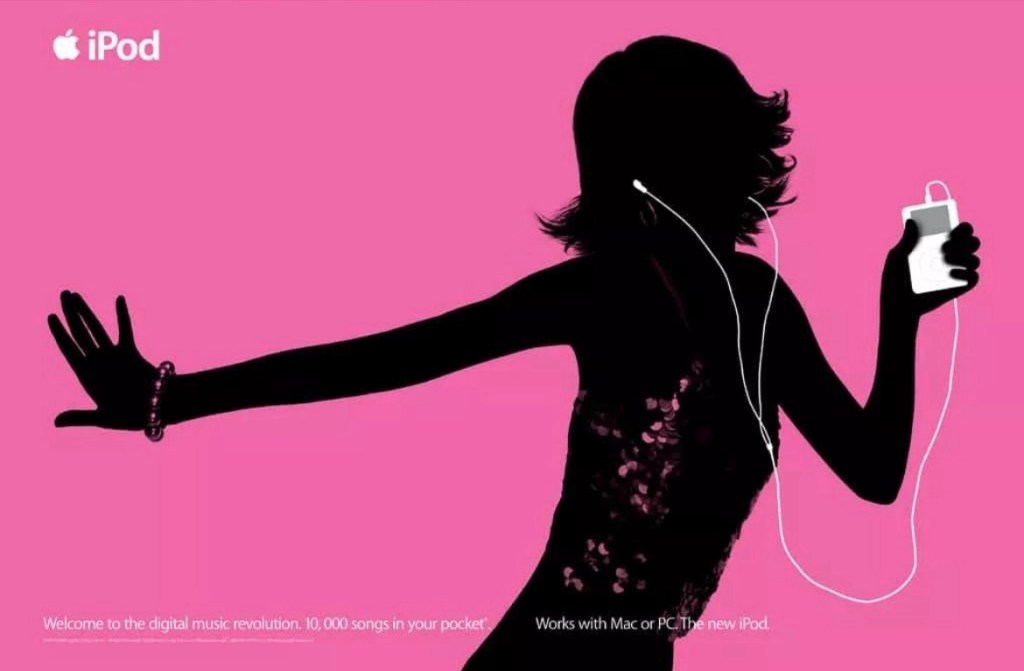
Ironically, it was the biggest job of my career…
…and no one could even see my face.
But that campaign was never really about being recognized.
It was about realizing I had spent months believing the wrong voices.
Someone finally saw something in me that I couldn’t see in myself.
The funny thing is…
I had been enough long before anyone signed that contract.
 More Than Shower Thoughts
Leave a comment